CSONTVÁRY COLLECTION – JANUS PANNONIUS MUSEUM, PÉCS
Csontváry – Baalbek
This soulful landscape invites you on a journey to the Middle East – on a journey where ancient ruins tell tales about times before time, about a time before Christianity, even before the Bible.
Overview
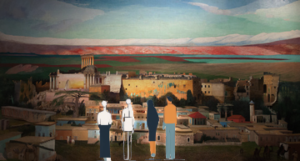
A summer afternoon in the fertile Beqaa valley between the Mounts of Lebanon and Anti-Lebanon. This corner of the Ancient Roman Empire was part of the Province of Syria, and was the home of the largest temples of the Classical Antiquity. Should we call it Roman or Hellenistic? This distinction did not make much sense at the time.
This is the place where on a late afternoon of June arrived Csontváry Kosztka Tivadar. At the time Baalbek was under the rule of the Ottoman Empire, and many of the locals called it by its Greek name: Heliopolis.
… (read more)
Artist: Csontváry
CSONTVÁRY KOSZTKA Tivadar
(1853 Kisszeben, Kingdom of Hungary, Austrian Empire, now Sabinov, Slovakia – 1919 Budapest, Hungary)
DID YOU KNOW? – Hungarian naming convention puts the family name(s) at the first place, and the given names come after them. This custom – shared with the Japanese – comes handy when you have to organize an list into alphabetical order.
Who was he, why was he called ‘the painter of the Sun Way’?
Title: Baalbek
Soon after its completion, Csontváry has exhibitied the painting at various events, and – as the catalogues and the news reports testify – each time a slightly different name was given to the work: Nagytemplom Baalbekben / Baalbek (A Naplemente Baalbekben), which translates roughly as Grand Temple in Baalbek or Sunset in Baalbek.
More about the afterlife of the painting.
Technique: oil on canvas
Obtaining this size of canvas and all the priming and painting material was not a small feat in itself. Although not being well-off, Csontváry received some considerable funds during his lifetime to be able to travel, keep up a sizeable studio and secure the materials.
WE HAVE ASKED art material suppliers, how much would it cost today just to purchase the materials. The breakdown is here , where we discuss, what does it take to start such an endeavour.
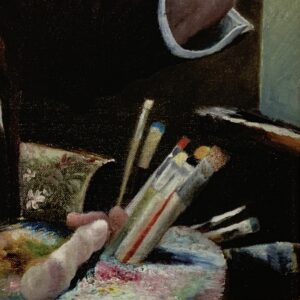
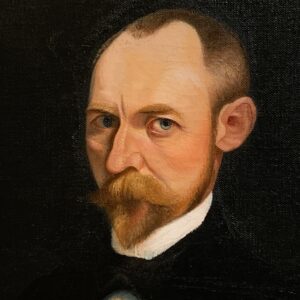
(A detail from his 1894 self-portrait holding a bunch of brushes with a palette.)
Size: close to 30m2 (300sqft)
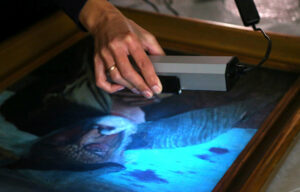
This canvas is huge. The exact measures are 385 x 714 cm. Do you wonder, how can one stretch such a canvas on a frame and not have folds and creases on it? We did as well, so
WE ASKED THE RESTORER, how did Csontváry do it?
Highlights
People
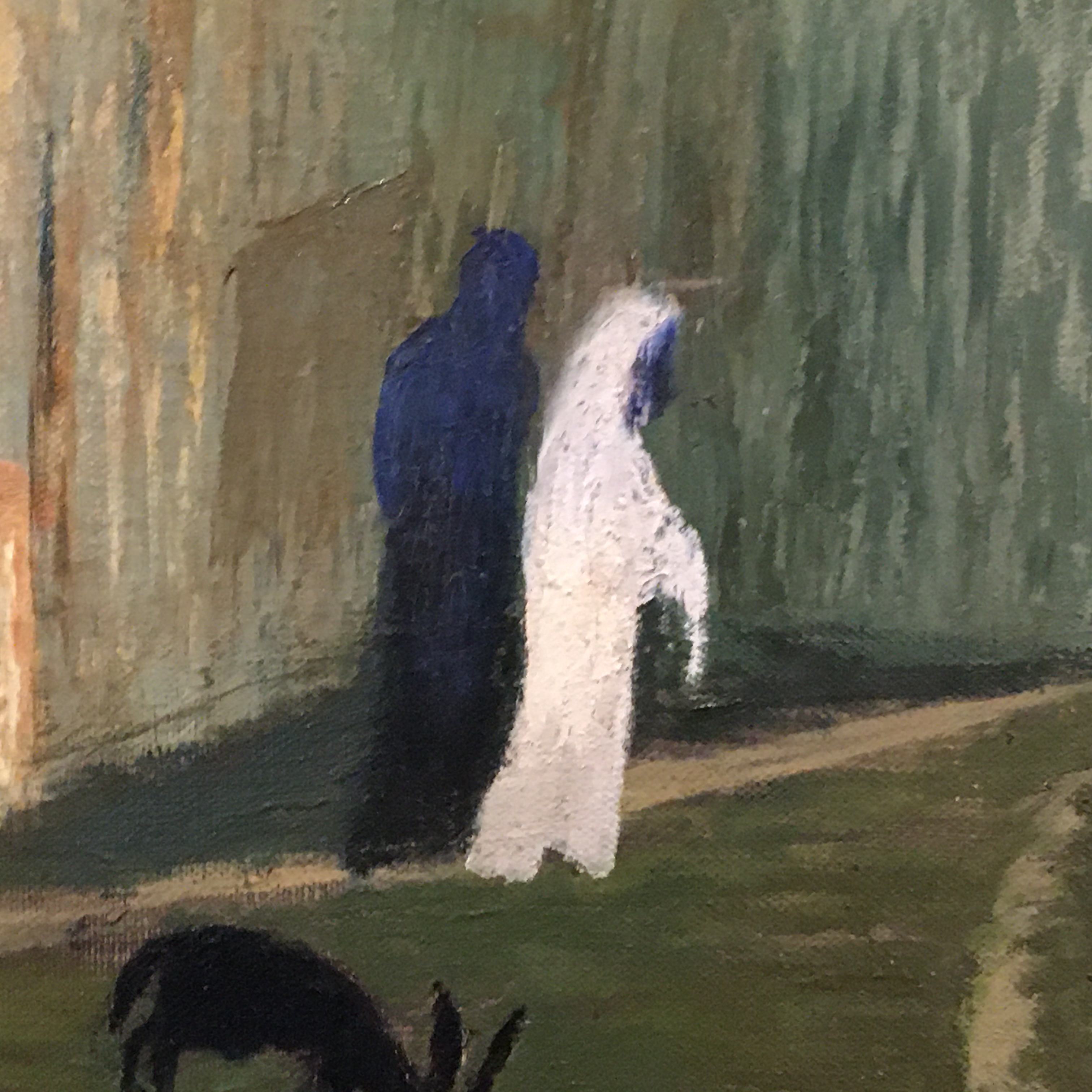
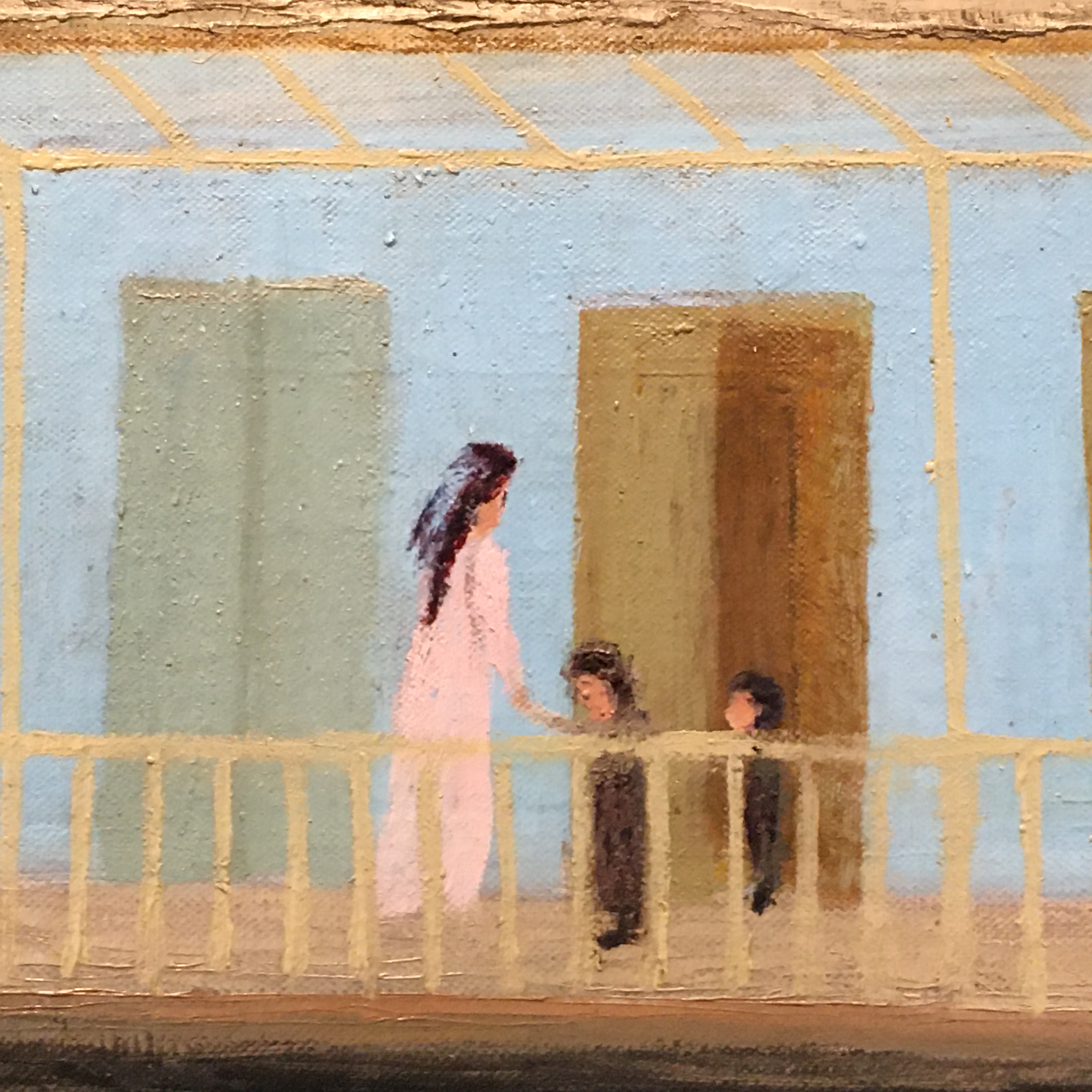
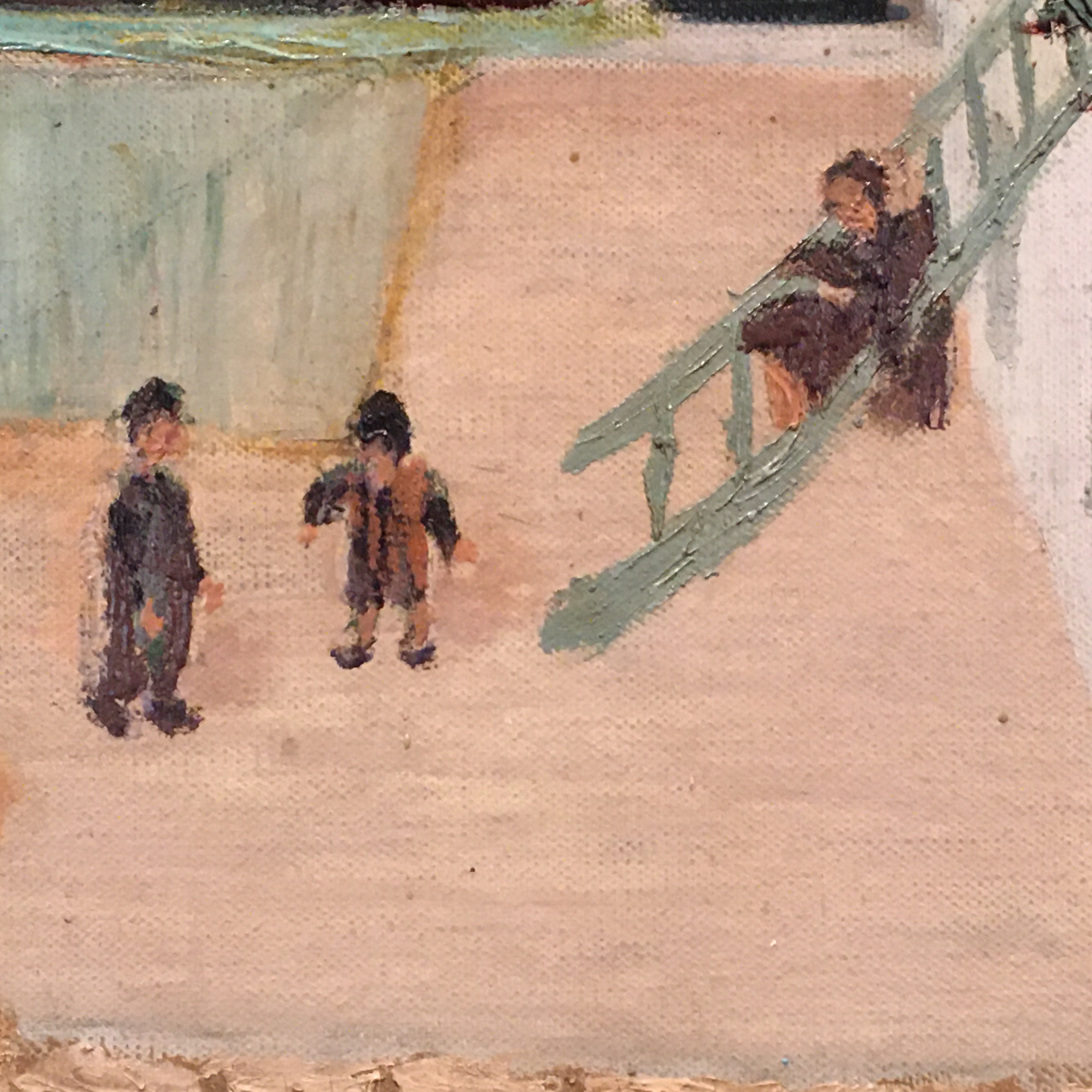
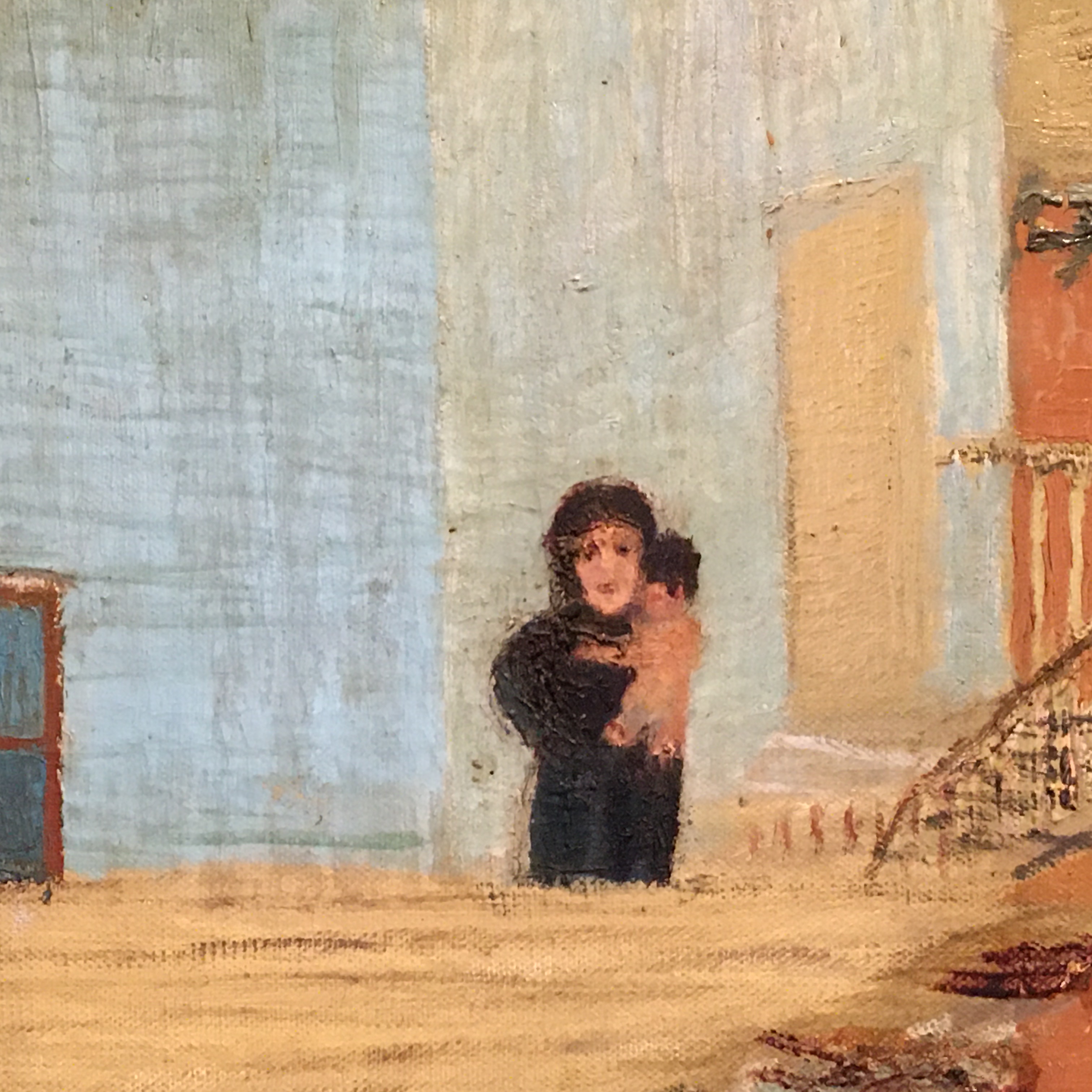
When you go closer, you can see a lot of locals going about their daily life. What do they do, how did they live at the time of Csontváry’s visit?
Phthalo
Colours
Csontváry was called by some contemporaries ‘the painter of the Sun Way’. What colours did he use, and how did he reach such warmth and vibrance? We asked a contemporary painter to talk to us about these trade secrets.
The city
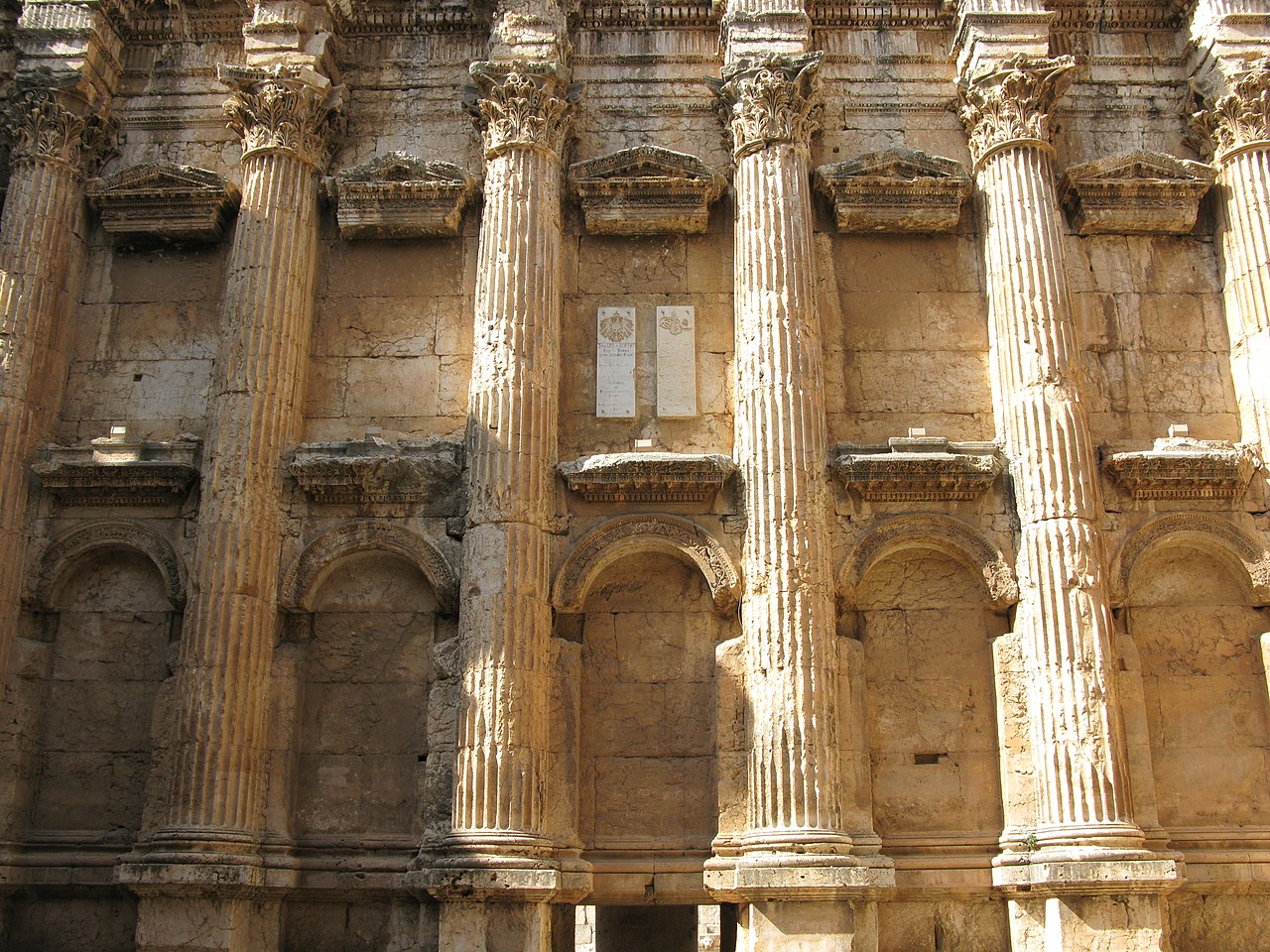
Although today, and at Csontváry’s time this huge sacral building complex was already in ruins, let’s take some time to get know this place, the cults, religions and cultures layered at this place. We also dive a little into how classical Greek and Roman temples were built.
STUDY AND ANALYSIS
Csontváry’s Baalbek –
an in-depth study
I. What's on the painting?
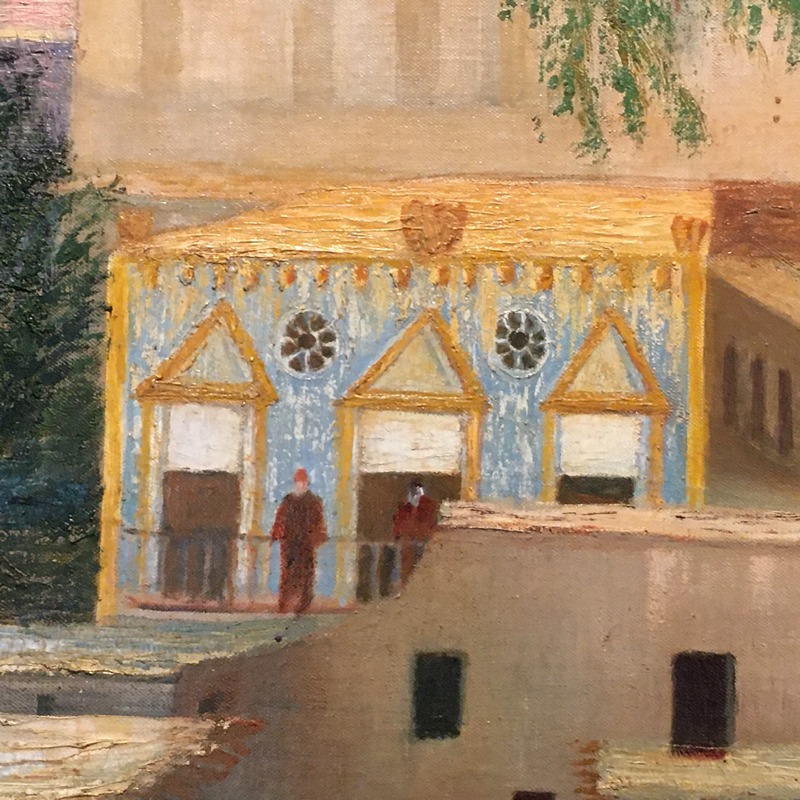
Although even the most realistically rendered figurative painting is not equal to the elements represented on the surface, we need to see and understand what did Csontváry see to be able to really appreciate this masterwork.
I.1 Background
I.2. Foreground
I.3. The ruins
I.4. The houses
I.5. People
I.6. Flora and fauna
I.7. Trades
IV. Painting techniques and style
Now we come really close to the painting, and make some mental archaeology. How did he use the brushes, which way did he put, blur and blend the colours on the canvas?
II. The space
When you look closely, you will observe that the perspective is not at all photo-like. Can we find out the purpose of the distortions?
III. Colours
Not long before Csontváry’s life there was a see-change in the colour industry, a wide selection of artificial colours have been developed that has changed the way of painting forever. Few could use these new possibilities better than Csontváry.